
When Strep Is More Than A Sore Throat: Understanding PANS & PANDAS
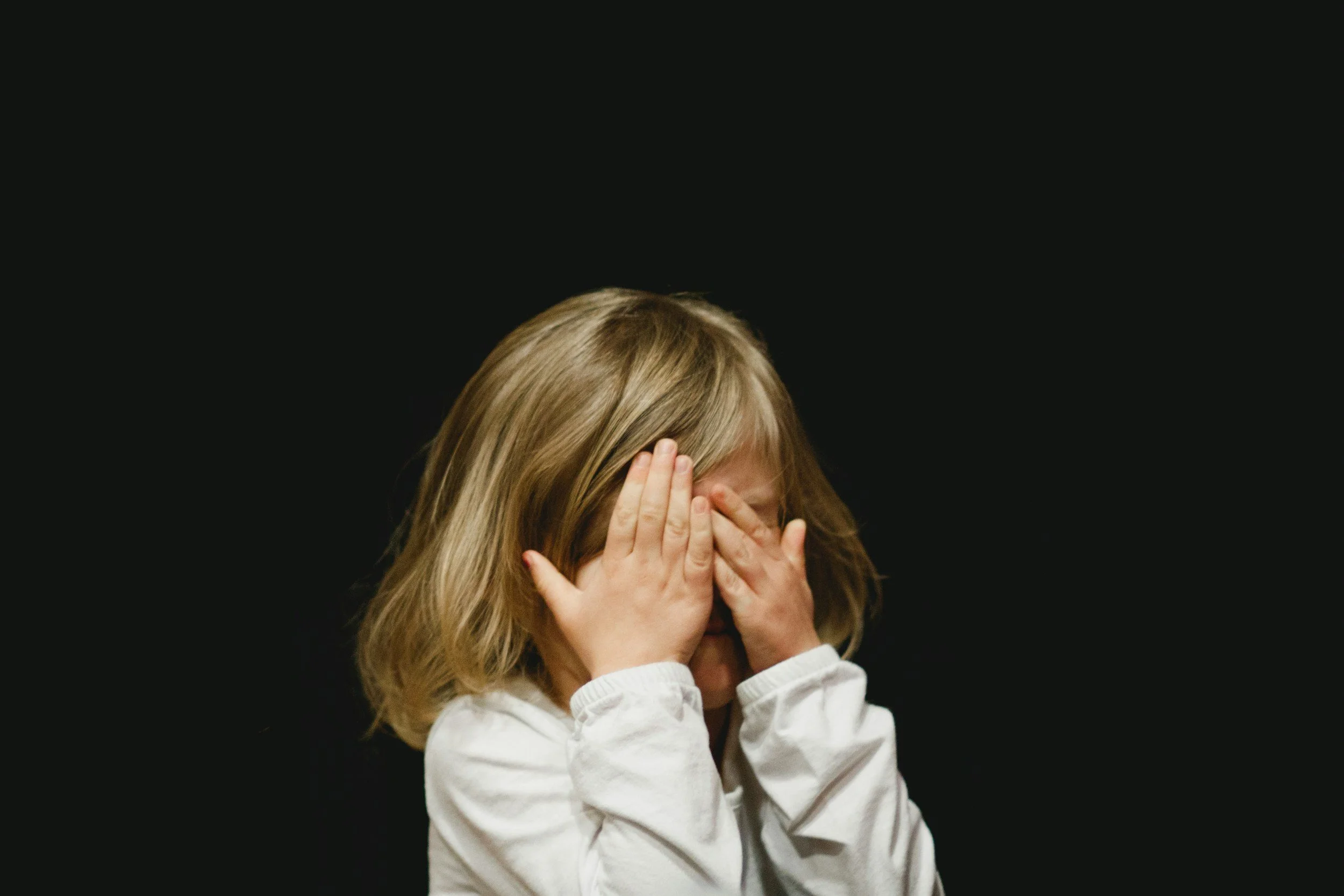
Strep throat is common in childhood. For most children, the infection passes and life returns to normal. But sometimes, something changes. Following a strep infection, parents may notice sudden and dramatic changes in their child's behaviour, emotions, movements, sleep or development. A child who was previously settled may suddenly become intensely anxious, obsessive, oppositional or emotional. They may develop tics or twitches, become incredibly rigid or perfectionistic, start wetting the bed again, regress in their behaviour or language, or seem completely different from their usual self.
When these changes are sudden and severe, PANS or PANDAS may be part of the clinical picture.
What are PANS & PANDAS?:
PANS stands for Paediatric Acute-onset Neuropsychiatric Syndrome.
PANDAS stands for Paediatric Autoimmune Neuropsychiatric Disorders Associated with Streptococcal Infections.
According to the National Institute of Mental Health (NIMH), both involve the sudden onset of OCD or severely restricted eating, together with other changes in mood, behaviour, sensory processing or motor function.
PANS is the broader syndrome and can occur in association with a range of possible triggers.
PANDAS is a subtype of PANS specifically associated with a streptococcal infection, such as strep throat or scarlet fever.
The word acute is important.
These symptoms can appear rapidly and dramatically, rather than developing gradually over months or years. Symptoms can also be episodic, improving and then returning again.
What can a PANS/PANDAS flare look like?
The presentation can be broad, which is one reason these cases can be so confusing for parents.
A child may experience:
Sudden OCD-type thoughts, rituals or compulsive behaviours
Tics, twitches or unusual movements
Anxiety or intense separation anxiety
Aggression, irritability or severe oppositional behaviour
Emotional outbursts and dramatic mood changes
Increased rigidity, perfectionism or repetitive behaviours
Regression in behaviour, language or previously acquired skills
Sudden bedwetting or frequent urination
Changes in handwriting, coordination or fine motor skills
Sleep disruption
Sudden food restriction or changes in eating
Difficulty concentrating, hyperactivity or unusual restlessness
Some children become fearful and overwhelmed. Others become intensely reactive, angry or oppositional.
Parents may simply say: “This isn't my child.”
And that sudden change matters.
Importantly, NIMH notes that having had strep alongside tics or OCD does not automatically mean a child has PANDAS. A thorough assessment is needed to consider other possible explanations, and there is currently no single laboratory test that confirms PANS or PANDAS.
Supporting the child and whole family
A PANS/PANDAS flare can be incredibly disruptive. And it doesn't just affect the child.
Sleep can fall apart. School can become difficult. Siblings are affected. Parents can feel exhausted and overwhelmed, constantly managing behaviour, anxiety, meltdowns, rituals or unexpected changes without knowing what to do next.
This is where we take a whole health picture approach.
At Sora Sol, we look beyond the presenting behaviour and consider the child's broader health story, including:
Immune health • strep infection history • gut health • digestion • elimination • nutrition • sleep • stress • emotional wellbeing
We want to understand what has changed, what may be contributing and what the child needs most right now.
When a child is experiencing a significant flare of symptoms, our focus is on providing individualised complementary support alongside other care, while also supporting the parent and the wider family.
Because supporting the child is only part of the picture. Parents need support too.
Individualised homeopathic support
Homeopathic prescribing is individualised.
There is no single remedy prescribed simply because a child has suspected PANS or PANDAS. The remedy selected depends on the child's individual homeopathic picture.
There are thousands of homeopathic remedies available, and the prescription is carefully matched to the child's unique pattern of symptoms, behaviour, emotions and history.
For example, remedies we may consider include:
Streptococcinum: A nosode I may consider where there is a significant or clear history of streptococcal infection and a clear relationship between the infection and changes in the child's presentation.
Apis: One of the remedies I may consider when a child's individual picture includes pronounced sensitivity, reactivity and an allergic-type pattern.
Ignatia: One of the remedies I may consider where the child's individual picture includes marked emotional intensity, strong reactivity and difficulty coping when things don't go their way. There may also be a history of grief or emotional upset, with physical tension such as headaches or aches and pains, or tics and twitches forming part of the broader picture.
Building resilience between flare-ups
Supporting a child with recurrent symptoms isn't just about what happens when things suddenly escalate. We also want to look at what is happening between episodes.
This may include nutrition and nutrient status, digestion and elimination, gut health, sleep, stress and overall immune health.
The aim is to support the child's overall health and resilience over time, while giving parents a clearer framework for supporting their child.
Because when you're living through recurrent flares, it can feel like you're constantly putting out fires.
Our approach is to step back, look at the bigger picture and connect the dots.
You don’t have to navigate it alone
PANS and PANDAS can be complex and overwhelming, particularly when your child's behaviour seems to change almost overnight.
You may be questioning what is happening. You may be struggling to get answers. Or you may simply want someone to look at the whole picture with you.
At Sora Sol, we work with the child, the parent and the whole family, providing individualised homeopathic and naturopathic support alongside appropriate health care or medical care.
Homeopathy and naturopathic care are complementary approaches and should not replace medical assessment or treatment.
You don't need to have every answer before you reach out.
Sometimes the first step is simply having someone listen to the story, understand the timeline and start connecting the dots.
If you're navigating unexplained or recurring changes in your child's behaviour, emotions or physical health, you can start with a complimentary 15-minute Discovery Call. Tell us where you're at, what's been happening and what you're looking for, and we'll help you understand what the next step could look like.
This article was written by Olivia McFadyen, founder of Sora Sol and a qualified, accredited Homeopath, Naturopath, Nutritionist and Herbalist. It is intended as general education only and is not a substitute for individualised health advice. Please speak with your GP or a qualified healthcare practitioner before starting any product, supplement or remedy, or making changes to your healthcare.